If you want to own a yacht before December 31, 2026, the calendar is tighter than it looks. A brokerage purchase moves through four stages: the purchase agreement, the survey and sea trial, acceptance, and closing. Each one depends on people outside your control, including surveyors, boatyards, lenders and insurers, and the holidays take working days out of all of them. Here is how to fit the whole process into the roughly seven weeks left in the year, and what to know about the tax side before you sign.
Why the year-end date matters
For most private buyers, December 31 is simply a goal: owning the yacht in time for the winter season in Florida, the Bahamas or the Caribbean. For buyers who will use a yacht in a legitimate business, such as a properly structured charter operation, the date can also matter for taxes. The One Big Beautiful Bill Act made 100% first-year bonus depreciation permanent for qualified property acquired after January 19, 2025, as confirmed in IRS Notice 2026-11. Depreciation generally starts when an asset is placed in service, so the timing of closing and delivery can decide which tax year the deduction falls in. We covered the background in Yachting Dollars & Sense. Whether your purchase qualifies is a question for your CPA or maritime tax adviser, and the conversation should happen before you make an offer.

A week-by-week closing timeline to December 31
Every transaction is different, but this is a realistic order of events for a yacht that is already in the water and available to inspect in South Florida.
- This week (Nov 9 to 15): shortlist and line up financing. Narrow your search to two or three yachts and ask your broker for recent comparable sales. If you plan to finance, start now. Paramount works with private marine lenders, and lenders and insurers will both want to see the survey later, so introduce them early.
- Nov 16 to 22: offer and purchase agreement. The agreement sets the price, the deposit (commonly 10% of the price, held in escrow), and the dates for the survey, acceptance and closing. Build in a little extra time around the holidays rather than promising dates the boatyard cannot meet.
- Nov 23 to Dec 6: survey, haul-out and sea trial. A condition and valuation survey covers the hull, systems and safety equipment, usually with a short haul-out to inspect the running gear. Many buyers also add a separate engine and generator inspection with oil analysis. Thanksgiving falls on November 26, so book the surveyor and the yard slot as soon as your offer is accepted.
- Dec 7 to 13: acceptance. Review the survey report with your broker. You can accept the yacht, ask the seller to fix specific items, renegotiate the price, or reject the yacht and recover your deposit under the terms of the agreement.
- Dec 14 to 20: closing documents. Your closing agent or maritime attorney runs title and lien searches, prepares the bill of sale and arranges registration. Vessels of five net tons or more can be federally documented with the U.S. Coast Guard. Have your insurance binder in place before funds move.
- Dec 21 to 31: funding, closing and handover. Wire the balance, sign, and take delivery with a walk-through from the captain or the seller’s representative. Banks and offices keep shorter hours over Christmas, so aim to close before December 24 and keep the final week as a buffer.
Florida tax rules every buyer should know
Florida applies sales and use tax to boats sold, delivered, used or stored in the state, but the Florida Department of Revenue caps the tax on the sale of a boat at $18,000, including any local surtax. For a seven- or eight-figure yacht, that cap matters a great deal.
Nonresident buyers who purchase through a registered dealer or broker may qualify for an exemption. Under section 212.05 of the Florida Statutes, a boat of five net tons or more can stay in Florida for up to 90 days after purchase under a decal issued through the selling dealer. An extension decal, which costs $425 and must be requested within 60 days, allows up to 180 days in total. Smaller boats generally have to leave the state within 10 days. The paperwork has firm deadlines, so plan it with your broker before closing.
Two yachts that can close this year
Buying a yacht that is already built and in the water is the simplest way to beat the deadline, because there is no build slot to wait for. Two current Paramount listings fit that description.
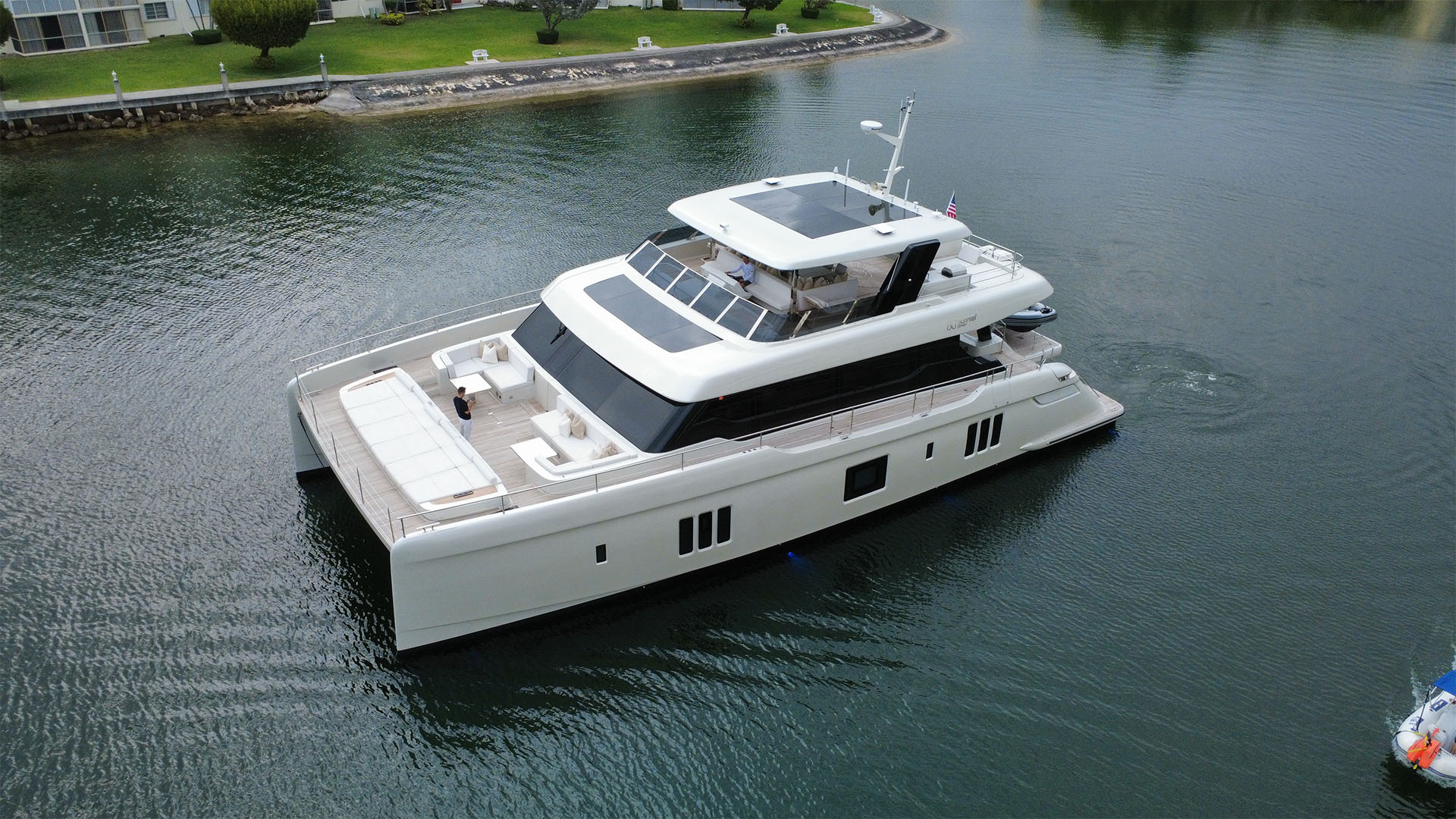
FAT CAT, 2024 Sunreef 80 Power. A 78-foot power catamaran with a 39-foot beam, four cabins for eight guests, crew quarters for up to four and twin MAN V8-1200 engines. She is in Palm Beach, Florida, with a guide price of $7,950,000.
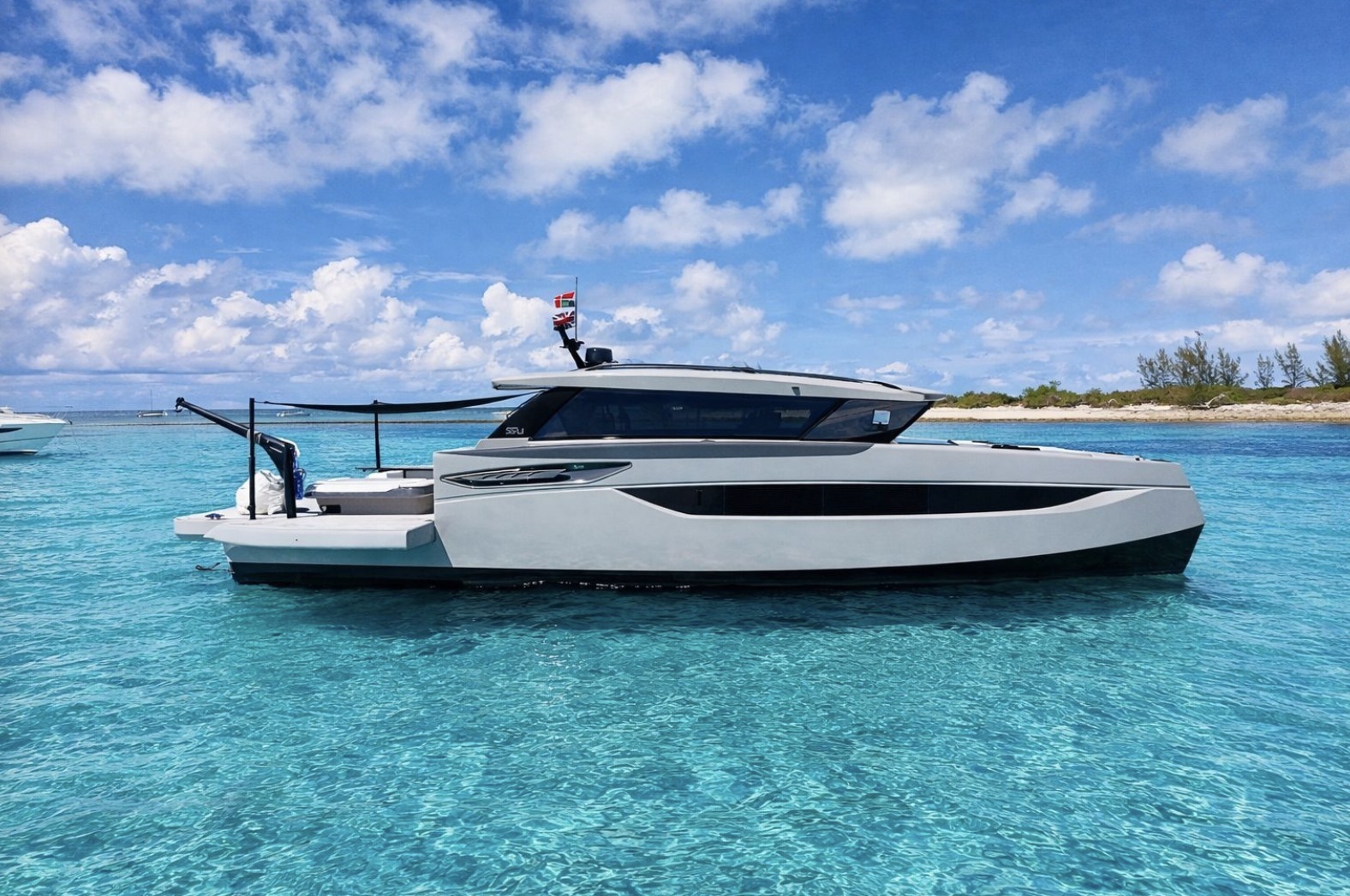
ULTIMA 55, new 2026 Sunreef 55 Ultima. A 17-metre power catamaran with twin Volvo Penta IPS 650 pods, a 35-knot top speed and fold-out side platforms, available now in Miami. She is offered at €2,550,000, tax not paid, and is not for sale to U.S. residents while in U.S. waters.
You can browse the rest of our inventory on the featured listings page, or read our buyer’s guide to see how we work with clients.
Start this week
Seven weeks is enough time to buy the right yacht carefully, but only if the first steps happen now. Tell us the type of yacht, your budget and your timing, and a Paramount broker will come back to you within 24 hours with options that can realistically close in 2026. Call or WhatsApp (305) 321-2582, email robert@paramount.yachts, or send us a message.
This article is general information, not tax or legal advice. Tax treatment depends on your circumstances; please consult a qualified tax adviser or maritime attorney. Listing details are believed correct but are not guaranteed and are subject to change.